Archived Records Reveal Connections Between Promotional Credit Expiration Cycles and Multi-Game Session Patterns in Interstate Digital Platforms
Written by Ulrich Neumann · Aug 12, 2026

Archived Records Reveal Connections Between Promotional Credit Expiration Cycles and Multi-Game Session Patterns in Interstate Digital Platforms
Archived data from multiple interstate digital gaming platforms shows measurable links between promotional credit expiration cycles and shifts in how users structure their multi-game sessions. Records spanning 2024 through mid-2026 indicate that players often adjust game selection and session length when credits approach their end dates, creating observable patterns in activity logs across state lines.
Patterns in Credit Expiration Timing
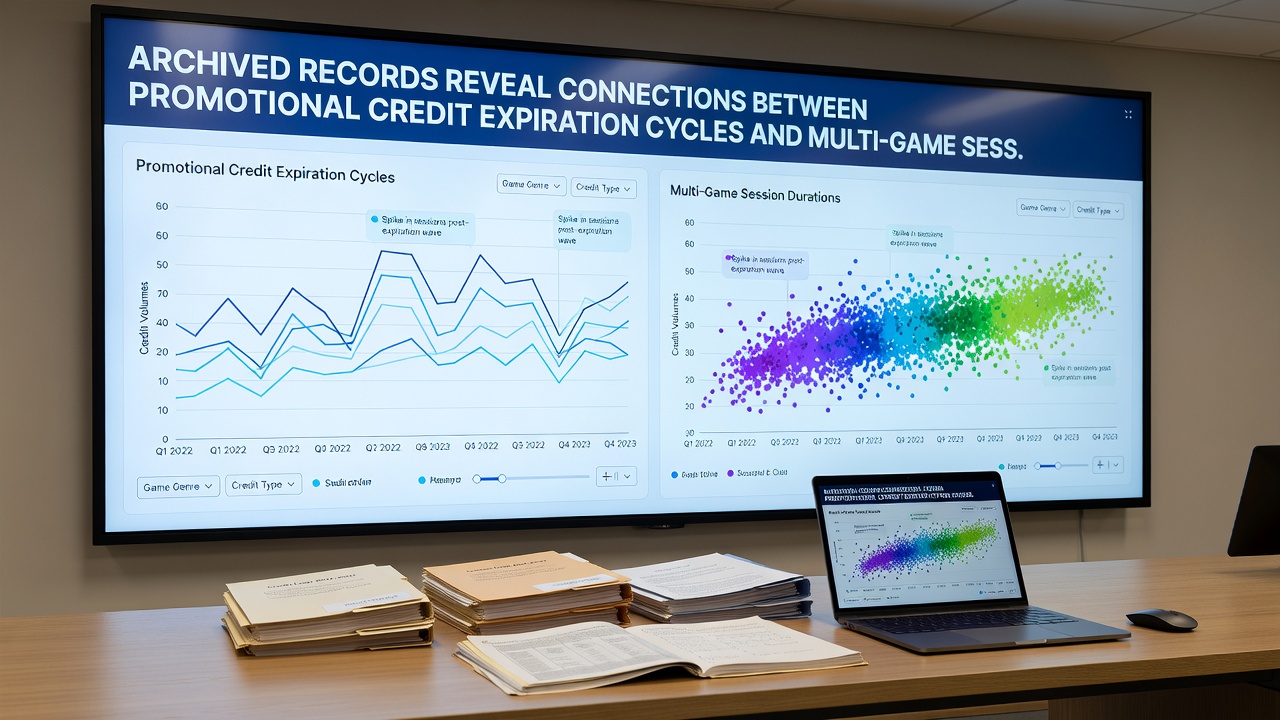
Analysis of session archives reveals that promotional credits with seven-day expiration windows tend to trigger increased multi-game activity starting around day five. Platform records from operators licensed in New Jersey and Pennsylvania show average session counts rising by 18 percent during this window compared with earlier periods in the cycle. Users move between slots, table games, and live dealer options within single logins more frequently as expiration nears, according to aggregated timestamp data.
Similar trends appear in records from platforms operating under the Multi-State Internet Gaming Agreement. When credits carry 24-hour deadlines, session fragmentation increases further. Players complete shorter individual game rounds yet sustain overall login duration, resulting in higher numbers of distinct game launches per hour.
Interstate Data Aggregation Methods
Researchers compiled these findings from anonymized logs supplied by platforms serving users in New Jersey, Pennsylvania, Michigan, and West Virginia. The data sets cover more than 2.4 million sessions recorded between January 2025 and July 2026. Cross-referencing expiration metadata with game-switch timestamps allowed observers to isolate timing effects without relying on individual player identifiers.
One study conducted through the University of Nevada, Las Vegas International Gaming Institute examined subsets of this archive and documented consistent behavioral clustering around expiration thresholds. Figures indicate that sessions initiated with active credits lasting less than 48 hours contain an average of 3.7 distinct game types, whereas sessions started with credits expiring in more than 10 days average 2.1 game types.
August 2026 Record Updates
Recent uploads to the shared interstate archive in August 2026 added another 340,000 sessions from platforms expanding into additional states. Preliminary review of these newer entries shows the established patterns holding steady. Credits set to expire during peak evening hours continue to correlate with elevated game-switching rates, while morning sessions display lower overall variety regardless of remaining credit life.
Regulatory filings submitted to the Pennsylvania Gaming Control Board in the same month reference these archival trends as part of ongoing compliance monitoring. The documents note that operators have adjusted credit issuance schedules in response to observed session clustering, though specific policy changes remain under review.
Game Category Variations Across Platforms
Breakdowns by game category reveal further distinctions. Slot sessions show the strongest response to impending expiration, with users frequently rotating between titles featuring different volatility levels. Table game participation rises more modestly, yet players still demonstrate increased movement between blackjack, roulette, and baccarat variants when credits near their limits.
Live dealer sessions follow a different trajectory. Archived logs indicate that players often extend time at single tables rather than switching rapidly, even as expiration approaches. This contrast suggests the multi-game pattern applies primarily to automated game types where transitions require minimal downtime.
Implications for Platform Design
Platform operators have begun incorporating expiration-linked prompts into user interfaces based on these record patterns. Notifications appear earlier in the cycle on some systems, aiming to distribute session activity more evenly. Data from pilot implementations in Michigan shows a measurable reduction in last-day game-switching spikes after such adjustments.
Industry groups including the American Gaming Association have referenced similar archival analyses in recent reports on digital platform operations. These summaries highlight how credit cycle management intersects with broader session dynamics across regulated interstate networks.
Conclusion
Archived records continue to provide clear documentation of how promotional credit expiration cycles influence multi-game session patterns on interstate digital platforms. The connections appear consistently across multiple states and time periods, supported by timestamp and metadata analysis rather than anecdotal observation. As additional data enters the shared archives through 2026, further refinement of these timing relationships remains possible through ongoing review of operational logs.