Cross-Border Data Patterns in Virtual Table Game Adoption Rates Tied to Currency Fluctuation Records
Written by Cameron Baumann · Jun 22, 2026
Cross-Border Data Patterns in Virtual Table Game Adoption Rates Tied to Currency Fluctuation Records
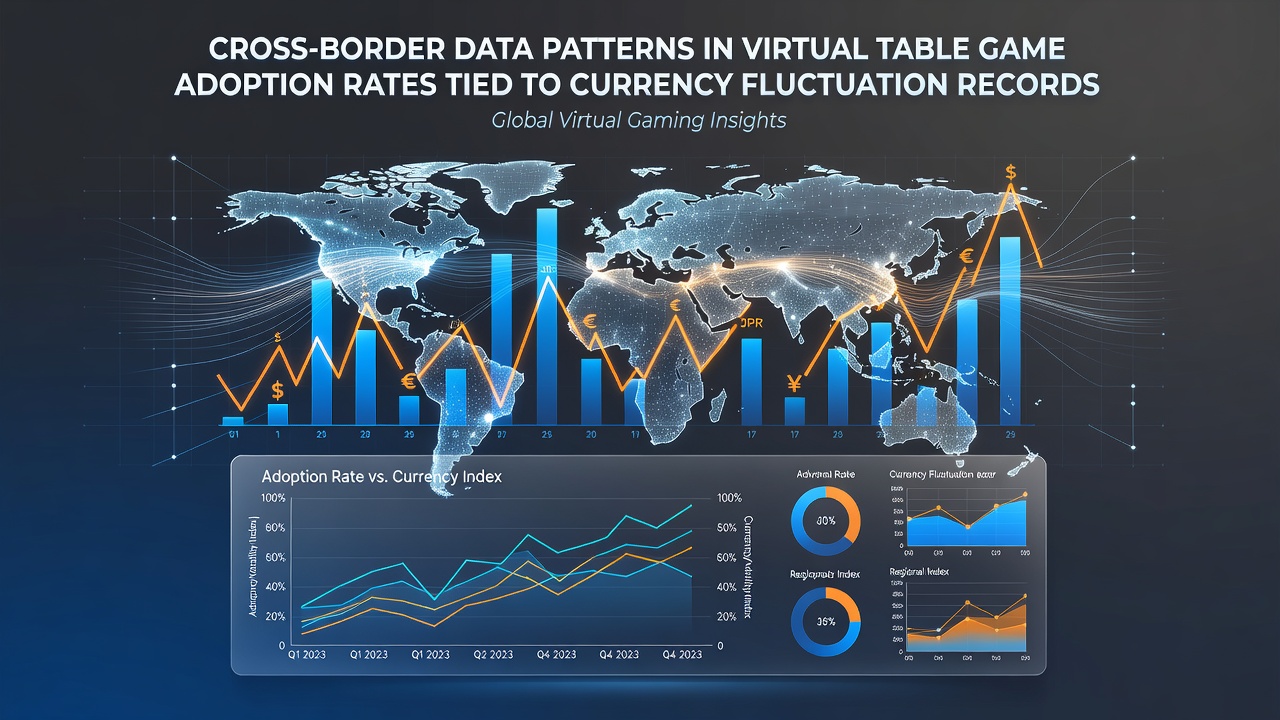
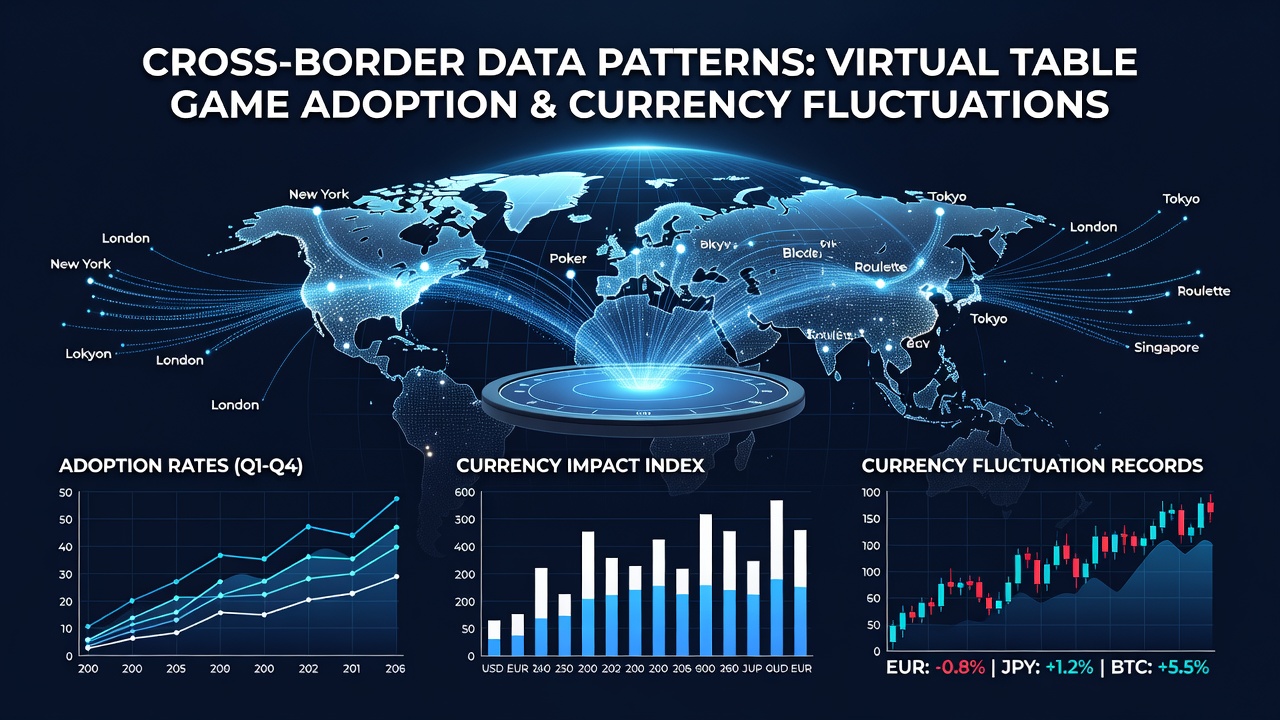
Virtual table games such as online blackjack, roulette, and baccarat continue to attract players across national borders, yet adoption rates show clear connections to recorded currency movements tracked by financial authorities and gaming regulators. Data compiled through platform analytics and exchange rate archives reveal that shifts in major currency pairs influence player behavior in measurable ways, particularly when participants from one jurisdiction access servers hosted in another.
Tracking Cross-Border Player Activity
Platform operators log session origins alongside transaction currencies, creating datasets that researchers cross-reference with daily exchange rates published by central banks. In regions where the local currency weakens against the US dollar, for instance, traffic to dollar-denominated virtual tables often rises as players seek consistent pricing structures, while stronger home currencies correlate with increased activity on platforms using local denominations. Records from the first half of 2026 illustrate these movements, especially during periods of volatility in the euro and several Asian currencies against the dollar.
Observers note that these patterns emerge most clearly in multi-jurisdictional networks where players maintain accounts in one currency yet play in another. Transaction logs indicate that conversion fees and real-time rate displays affect session length and stake sizes, with data sets showing shorter average play periods when unfavorable rates appear at the point of deposit.
Regional Currency Impacts on Adoption
European markets demonstrate distinct responses to euro fluctuations against the British pound and US dollar. When the euro depreciated in early 2026, adoption rates for virtual table games hosted on platforms using sterling or dollars increased among players in southern European countries, according to aggregated data from multiple operators. Conversely, periods of euro strength coincided with higher participation on locally denominated tables within the eurozone itself.
Asian markets present additional layers, where fluctuations between the Japanese yen, South Korean won, and US dollar have produced measurable shifts in traffic to virtual baccarat and roulette offerings. Records maintained by regional gaming associations show that yen weakening often directs more Japanese players toward international platforms, while won stability supports sustained domestic virtual table engagement. These movements appear in session data collected through June 2026, reflecting broader economic conditions reported by monetary authorities.
Data Sources and Analytical Approaches
Analysts combine anonymized player location data with historical exchange records maintained by organizations such as the Bank for International Settlements and national statistical agencies. This integration allows identification of recurring patterns, such as lagged effects where currency movements precede adoption changes by several weeks. Studies released through academic channels and industry research groups have examined these delays, attributing them to player awareness cycles and deposit processing times across borders.
One documented case involved Canadian players accessing European-hosted virtual tables during a period of Canadian dollar softening against the euro in late 2025, with adoption metrics rising steadily through the following months. Similar correlations appear in data from Australian sources, where reserve bank records of AUD movements align with shifts in virtual table participation on platforms denominated in other currencies. Researchers continue to refine models that isolate currency effects from other variables like promotional activity or regulatory announcements.
Patterns Observed Through Mid-2026
Through June 2026, datasets indicate that volatility in emerging market currencies produced the most pronounced cross-border effects. Players from countries experiencing rapid depreciation frequently migrated toward platforms offering virtual table games in more stable denominations, resulting in temporary spikes in international traffic. These movements show up consistently in aggregated reports that track both adoption volume and average session value.
Stable currency environments, by contrast, support more balanced distribution of play across local and international platforms. Records from this period highlight that platforms providing real-time rate transparency and flexible currency options experience steadier retention when exchange markets fluctuate, as evidenced by session continuity metrics preserved in operator archives.
Conclusion
Cross-border data patterns demonstrate consistent linkages between virtual table game adoption and currency fluctuation records across multiple regions and timeframes. Continued collection of anonymized transaction and location data alongside exchange rate archives provides the foundation for ongoing analysis, revealing how economic conditions shape player access and platform preferences without implying causation beyond observed correlations. These records offer valuable reference points for understanding global virtual gaming dynamics as currency markets evolve.