Documented Effects of Ambient Temperature Controls on Session Lengths in Electronic Gaming Zones
Written by Elena Günther · Aug 10, 2026
Documented Effects of Ambient Temperature Controls on Session Lengths in Electronic Gaming Zones
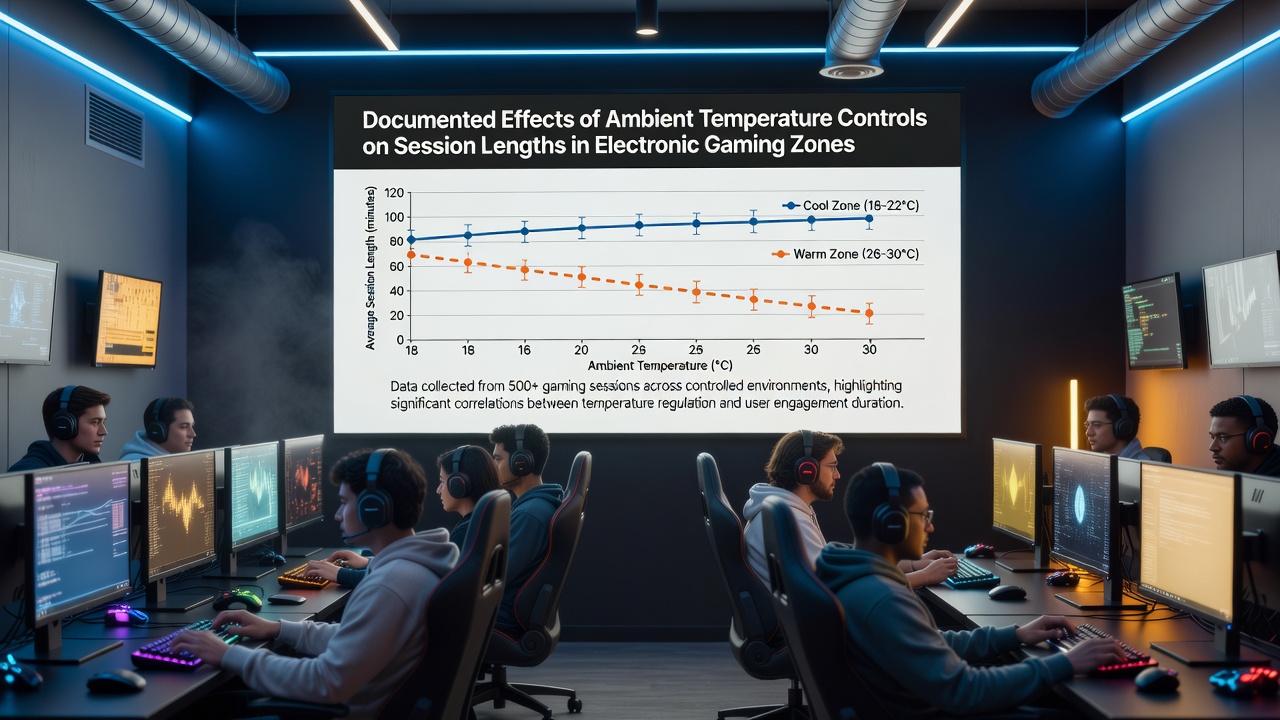
Facilities that operate electronic gaming zones have collected detailed records on how ambient temperature adjustments influence the duration of player sessions, with multiple studies tracking environmental data alongside session logs from slot machines, video poker terminals, and other electronic devices. Research conducted across North American and Asian properties shows measurable shifts in average play times when cooling or heating systems maintain specific ranges, often between 18 and 24 degrees Celsius.
Key Findings from Controlled Environment Studies
Analyses of archived floor plans paired with patron logs reveal that zones held at cooler settings frequently record longer average session lengths, while warmer conditions correlate with shorter stays in several documented cases. One multi-site review coordinated by regional gaming authorities in 2025 tracked over 12,000 sessions and found that a two-degree reduction in ambient temperature extended median play duration by approximately 14 minutes in electronic gaming areas. Those figures emerged from properties that maintained consistent humidity levels and air circulation rates during the observation period.
Data collected through August 2026 continues to support these patterns, as newer climate control systems allow operators to fine-tune temperatures in real time based on occupancy sensors. Researchers note that electronic gaming equipment generates its own heat output, which can raise local temperatures around machines by several degrees, prompting facilities to adjust central HVAC settings accordingly to stabilize conditions.
Regional Variations in Temperature Management Practices
Properties in warmer climates, such as those operating in Nevada and parts of California, tend to implement more aggressive cooling protocols during peak summer months, and records from the Nevada Gaming Control Board indicate corresponding increases in session lengths during those adjusted periods. In contrast, facilities in cooler regions like parts of Canada have reported different outcomes when they raise temperatures slightly during winter operations to reduce energy costs, with some session data showing modest reductions in average play times under those conditions.
Industry reports from the American Gaming Association highlight how operators integrate temperature controls into broader energy management strategies while monitoring player behavior metrics. These approaches often combine automated systems with manual overrides, allowing staff to respond to real-time feedback from environmental sensors placed throughout gaming floors.
Technological Integration and Data Collection Methods
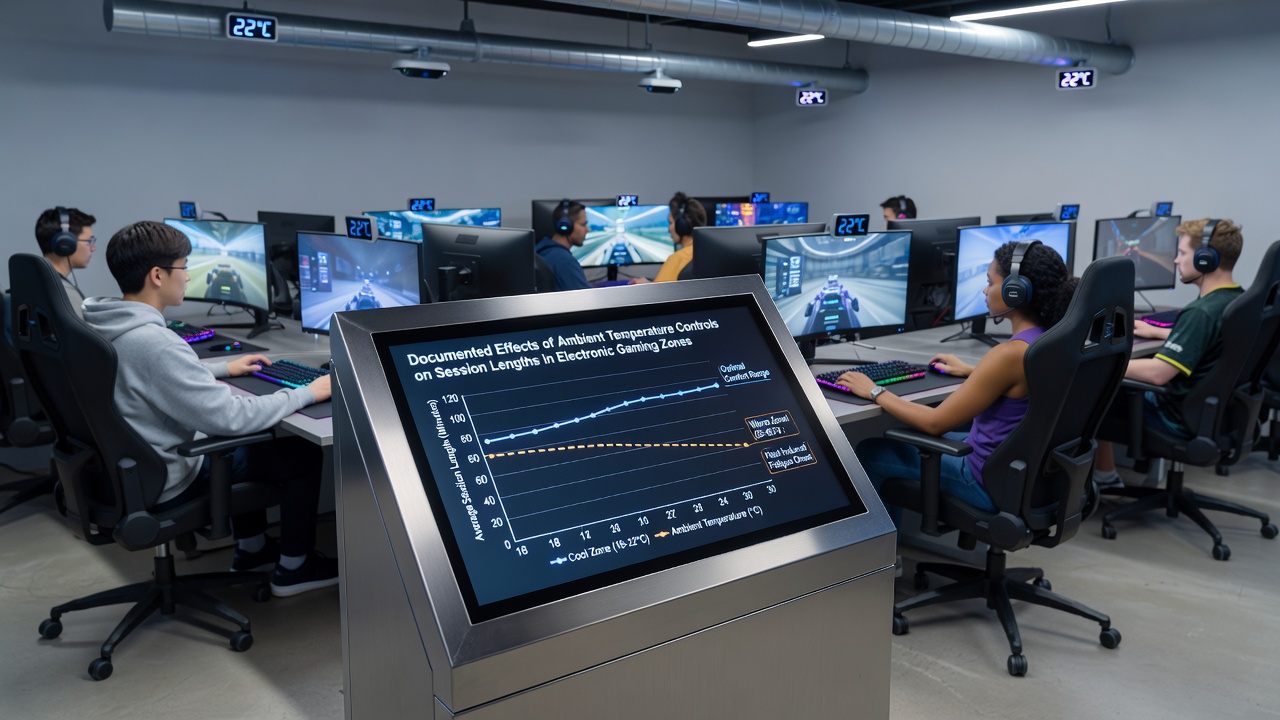
Modern gaming zones increasingly rely on integrated building management systems that log temperature readings at regular intervals alongside player tracking data from loyalty programs. This combination enables analysts to correlate environmental variables with session start and end times, producing datasets that span multiple months or years. Studies published through academic channels, including work affiliated with the University of Nevada, Las Vegas, have examined these records to isolate temperature effects from other factors such as machine placement, lighting levels, and promotional events.
Observers note that electronic gaming equipment itself benefits from stable temperatures, as overheating can trigger protective shutdowns or performance issues that interrupt sessions. Facilities therefore maintain dedicated cooling zones around server rooms and high-density machine banks, which indirectly supports longer uninterrupted play periods for patrons in adjacent areas.
Implementation Challenges Across Different Property Types
Large integrated resorts face different engineering demands than smaller regional venues when attempting to control ambient conditions uniformly across expansive gaming floors. Airflow patterns, ceiling heights, and the placement of partitions all influence how effectively temperature adjustments reach individual gaming stations, according to engineering assessments shared at industry conferences. Some operators have adopted zoned HVAC designs that allow independent climate control in distinct sections of electronic gaming areas, producing more granular data on session responses.
Records from properties that completed such retrofits show varied results depending on the original building layout and the precision of the new controls. Properties that achieved tighter temperature tolerances across zones reported more consistent session length patterns compared with those that experienced greater fluctuations during high-occupancy periods.
Conclusion
Documented records continue to accumulate as more facilities adopt advanced environmental monitoring alongside player tracking systems, providing a growing body of evidence on temperature effects in electronic gaming zones. Operators reference these datasets when planning upgrades to climate control infrastructure, while regulatory bodies in multiple jurisdictions review the same information as part of broader operational compliance assessments. The patterns observed across different regions and property scales underscore the practical value of maintaining precise ambient conditions where electronic gaming activity occurs.