Regulatory Shifts Shape Emerging Sports Wagering Markets Through Historical Patterns and Compliance Records
Written by Elena Günther · May 18, 2026

Regulatory Shifts Shape Emerging Sports Wagering Markets Through Historical Patterns and Compliance Records
Regulatory adjustments in sports wagering have followed clear trajectories in various jurisdictions, with data from compliance reports revealing consistent impacts on market expansion and operator behavior over the past decade. Historical records show that states and countries introducing new licensing frameworks experienced measurable shifts in revenue collection and market entry rates, often within the first 18 to 24 months after implementation.
Historical Patterns in Regulatory Evolution
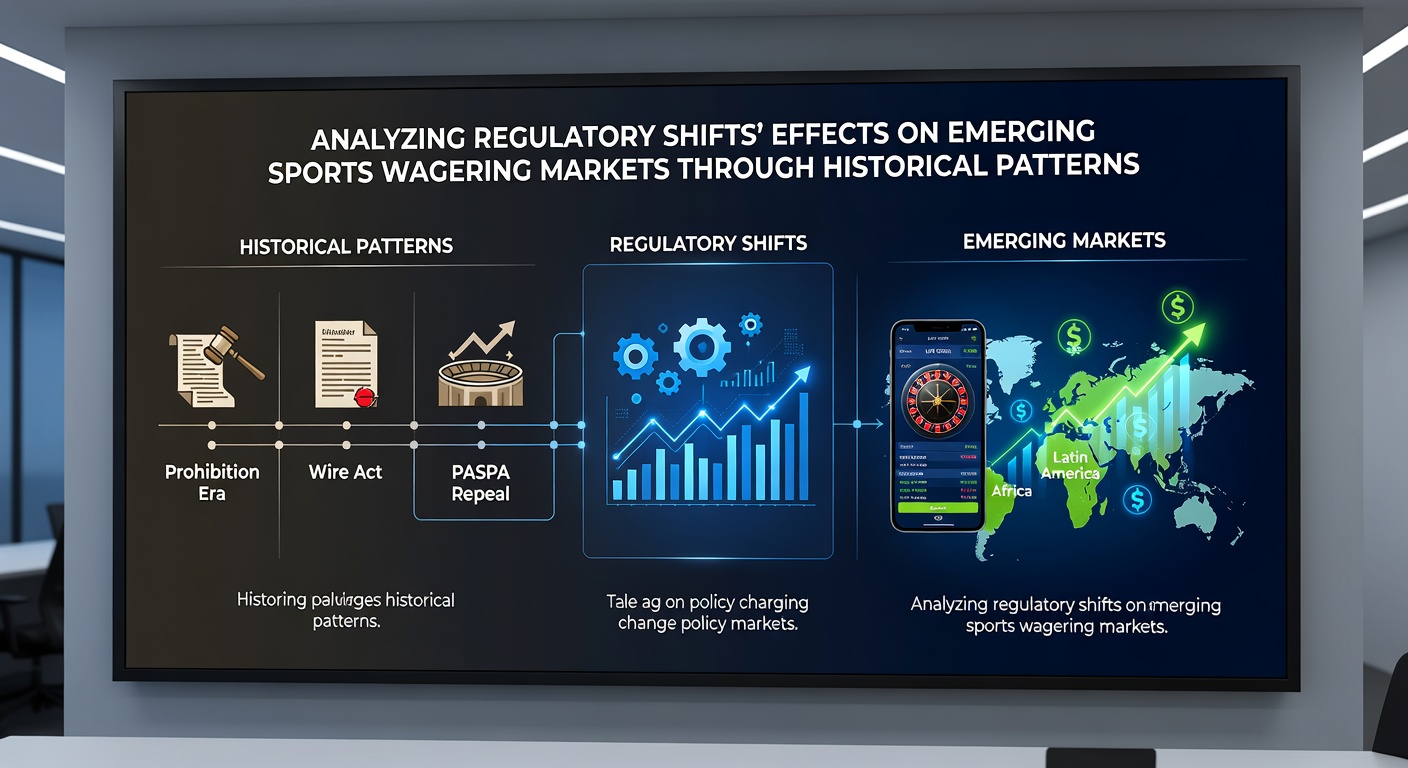
Patterns emerge when examining the period following the 2018 repeal of the Professional and Amateur Sports Protection Act in the United States, where individual states moved at different speeds to establish oversight structures. New Jersey recorded rapid licensing approvals that coincided with a surge in operator registrations, while neighboring states delayed rollout and saw slower initial adoption. Similar sequences appeared earlier in Australia, where state-level reforms in the early 2010s led to centralized reporting requirements that standardized compliance metrics across operators.
Those who track these developments note that markets opening under strict advertising limits tended to attract fewer small-scale entrants compared to regions with more flexible promotion rules. Compliance data collected during those early years indicated higher rates of reporting accuracy in jurisdictions that required real-time transaction monitoring from the outset.
Compliance Data as a Predictor of Market Stability
Compliance statistics gathered by regulatory bodies provide concrete indicators of how operators respond to new rules. Figures from multiple oversight agencies demonstrate that markets implementing mandatory third-party audits within the first year of legalization reported fewer instances of delayed tax remittances. Operators in these environments adjusted internal systems more quickly when regulators published clear technical standards for data submission.
Research from academic institutions has mapped these outcomes across several emerging markets in Canada and parts of Europe. One study tracking Ontario's transition to a regulated online sports betting framework found that compliance scores improved steadily after the introduction of centralized player verification protocols in 2022. Those protocols reduced discrepancies in age-verification logs and helped operators maintain consistent reporting cycles.
Developments in Emerging Markets During 2026
By May 2026, several jurisdictions that had legalized sports wagering in the preceding two years began releasing their second round of annual compliance summaries. Early data from these reports suggest that markets adopting phased licensing, starting with land-based partnerships before expanding to fully digital platforms, achieved higher initial compliance percentages than those opening all channels simultaneously. Regulatory teams in these areas cited reduced backlogs in application processing as a contributing factor.
Observers tracking Latin American markets point to similar sequences in Brazil and Colombia, where national frameworks rolled out between 2023 and 2025. Compliance records there show that operators investing early in localized responsible gambling tools encountered fewer enforcement actions during the first full year of operation. Historical comparisons indicate these investments aligned with patterns observed in established markets years earlier.
Cross-Regional Comparisons and Data Integration
Integration of compliance datasets across borders has become more common as regulators seek benchmarks from peers. A report issued by the Australian Gambling Research Centre analyzed licensing timelines alongside revenue figures and found that markets with transparent fee structures experienced steadier operator retention rates. Those findings echo earlier observations from the Nevada Gaming Control Board, which documented comparable stability following updates to its sports wagering regulations in prior years.
Emerging markets continue to reference these established datasets when drafting their own oversight procedures. Regulators in newer jurisdictions often incorporate elements such as standardized audit intervals and digital record retention periods that proved effective in longer-operating regions.
Conclusion
Historical patterns combined with ongoing compliance data continue to inform how regulatory shifts influence sports wagering markets at various stages of development. Jurisdictions that align new rules with proven operational standards demonstrate measurable differences in market entry speed and reporting consistency. As additional regions finalize their frameworks in the months ahead, the accumulated records from earlier transitions provide reference points for evaluating outcomes without requiring reinvention of core oversight mechanisms.