Seasonal Farm Cycles Shape Slot Activity Levels at Remote Casino Sites
Written by Elena Günther · Aug 24, 2026
Seasonal Farm Cycles Shape Slot Activity Levels at Remote Casino Sites
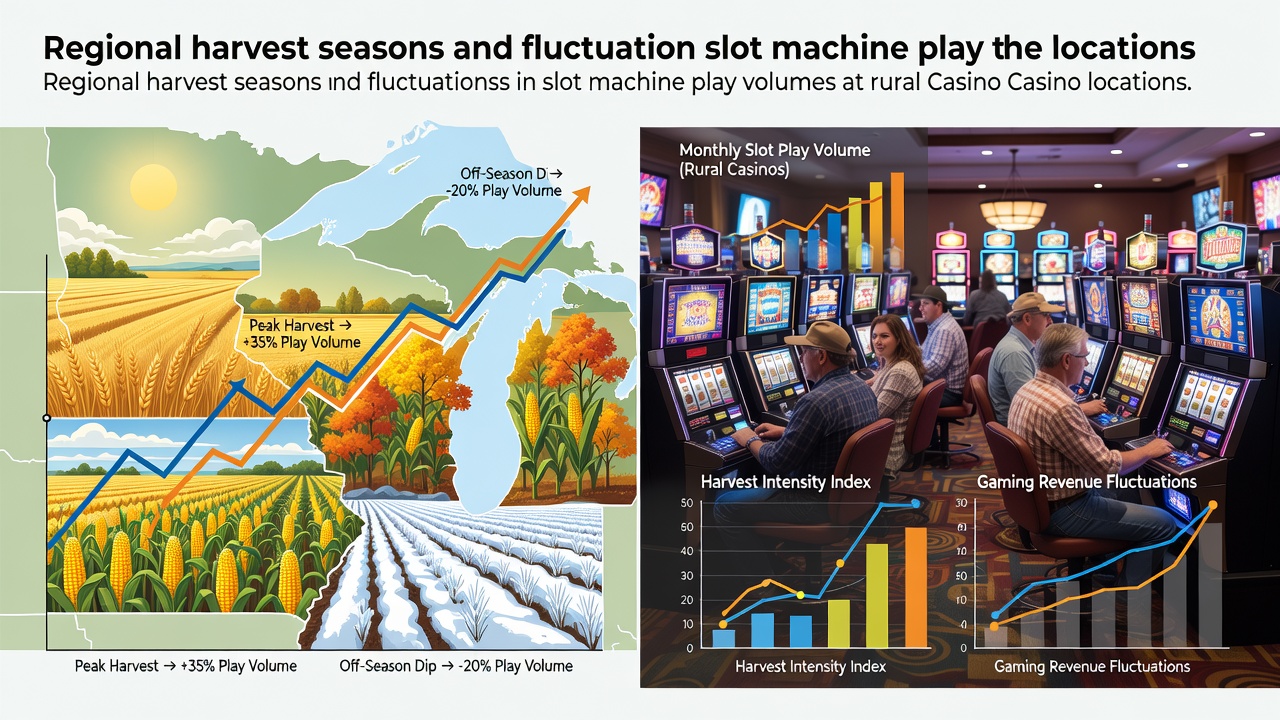
Regional harvest schedules align with measurable changes in slot machine usage at casinos located in agricultural zones, where income from crops influences discretionary spending patterns among local residents, and observers note that facilities in the Midwest and Great Plains states record distinct volume increases following major grain collections each year.
Harvest Timelines Across Key Agricultural Regions
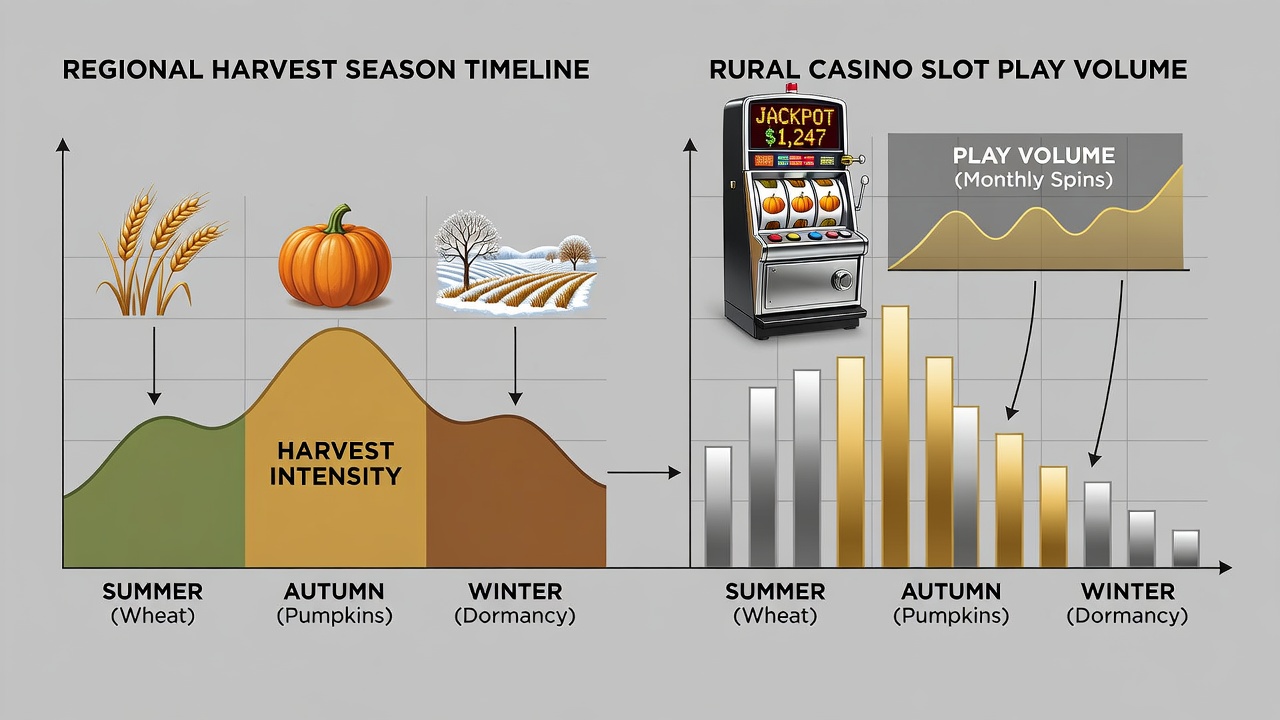
Corn and soybean harvests in states such as Iowa and Nebraska typically peak between September and October, while wheat collections in Kansas and Oklahoma wrap up earlier in the summer months, and data compiled from multiple rural gaming properties show corresponding upticks in daily coin-in figures that begin two to three weeks after local farmers complete their primary field work. August 2026 stands as a transitional month in many of these areas because early corn varieties reach maturity while crews prepare equipment for the larger fall push, which creates a brief window where some agricultural workers redirect portions of their earnings toward nearby entertainment options including slot floors.
Documented Volume Patterns in Specific Markets
Facilities positioned near large-scale farming operations report that play volumes rise steadily once harvest payments reach bank accounts, whereas periods of planting and equipment maintenance coincide with lower session counts and shorter average play times per visitor. One study that tracked hourly machine data over five consecutive growing seasons found that rural locations experience an average 18 percent lift in slot handle during the eight weeks following peak harvest compared with the preceding quiet period, and similar patterns appear in Canadian prairie provinces where canola and wheat cycles drive parallel spending behaviors at smaller gaming venues.
Researchers tracking these trends point to direct cash flow from crop sales as the primary driver rather than broader economic indicators, since many rural players maintain steady employment yet allocate variable amounts to gaming based on seasonal liquidity. In regions dominated by specialty crops such as potatoes or sugar beets, teh correlation remains visible yet occurs on slightly different calendars, with activity spikes arriving in late fall when contracts settle and producers receive final payments.
Economic Factors Connecting Agriculture and Gaming
Local economies built around farming exhibit tight linkages between commodity prices and household budgets, so higher yields translate into increased available income that some residents direct toward slot machines at the nearest casino. Government reports from the U.S. Department of Agriculture detail how net farm income fluctuates with harvest outcomes, and those same fluctuations appear in aggregated gaming revenue statements filed by operators in agricultural counties. Observers tracking player loyalty programs note that new sign-ups and tier advancement both accelerate in the months immediately after major crop collections, suggesting that first-time or returning visitors bring larger bankrolls during those windows.
Transportation logistics add another layer because harvest crews often work extended shifts that limit midweek visits, yet weekend volumes climb once overtime checks clear. Rural casinos located along major trucking routes that serve grain elevators experience additional foot traffic from seasonal workers who stop during downtime, which contributes to the overall volume increase without necessarily reflecting the habits of permanent residents alone.
Comparative Data from Multiple Jurisdictions
Analysis of monthly slot reports submitted to state regulators reveals consistent timing across different crops and climates, with the strongest correlations appearing in counties where agriculture accounts for more than 25 percent of total employment. Australian researchers examining similar dynamics around wheat and barley harvests in New South Wales documented parallel shifts at regional clubs that operate gaming machines, confirming that the pattern extends beyond North American markets. Those findings appear in reports issued by the Australian Gambling Research Centre, which examined transaction data spanning multiple seasons and identified revenue peaks that align with grain delivery schedules rather than calendar holidays.
Operators adjust staffing and machine maintenance schedules around these predictable cycles, increasing floor coverage during anticipated busy periods and reallocating resources when planting season reduces attendance. Slot manufacturers have responded by offering games with themes tied to rural life, although participation rates depend more on cash availability than thematic appeal according to session logs reviewed across several properties.
Conclusion
Harvest season timing provides a reliable indicator for anticipating slot volume changes at rural casinos because agricultural income cycles directly affect teh spending capacity of nearby populations, and multi-year data sets confirm that these correlations hold across varied crop types and geographic settings. Facilities that monitor local farm calendars alongside their own performance metrics gain clearer visibility into recurring patterns that shape operational planning throughout the year.