Seasonal Migrations Reshape Online Poker Player Pools in Isolated Communities
Written by Elena Günther · Aug 22, 2026
Seasonal Migrations Reshape Online Poker Player Pools in Isolated Communities
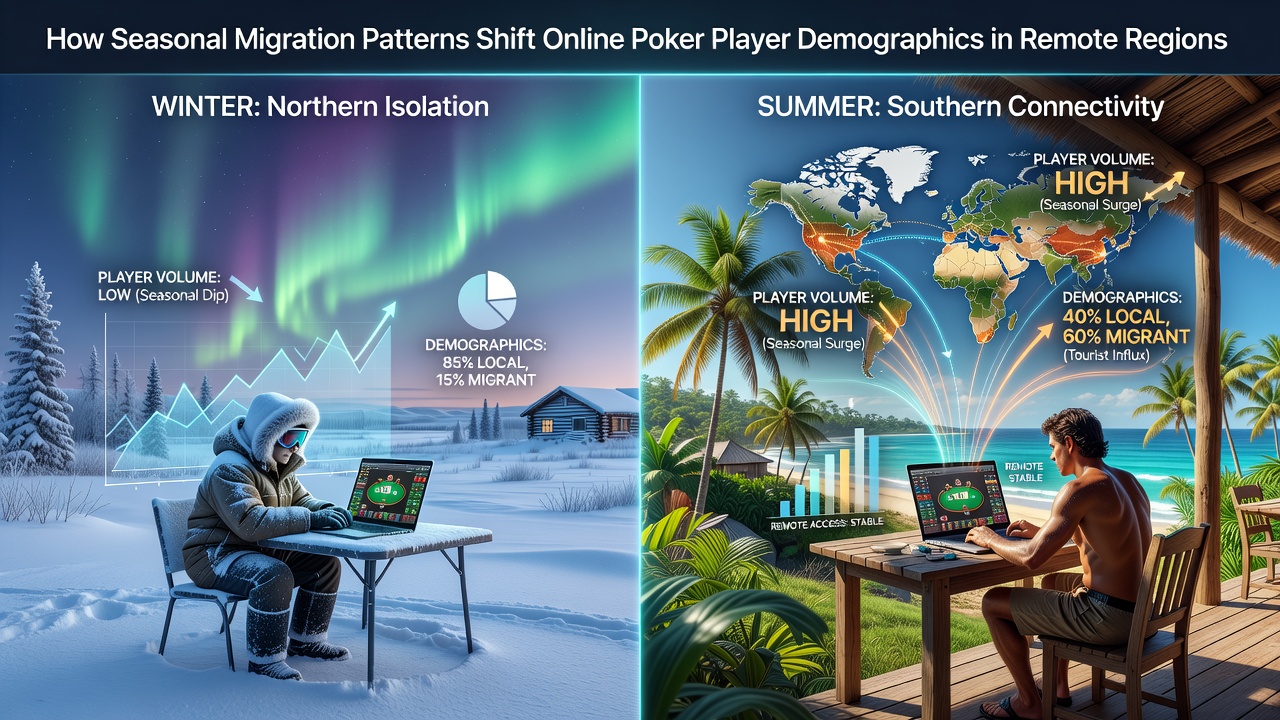
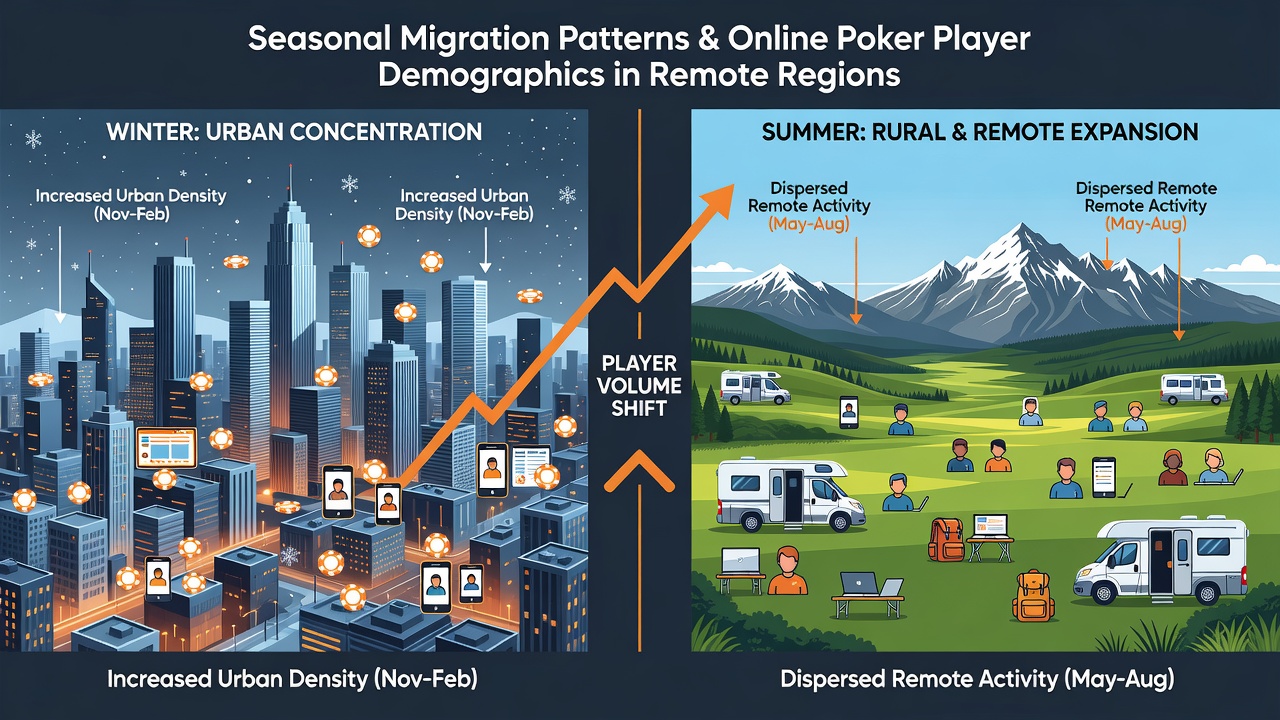
Remote regions experience distinct population movements tied to seasonal work cycles, and these shifts produce measurable changes in online poker participation rates according to aggregated platform data. Workers in industries such as fishing, mining, and tourism relocate temporarily, which alters the composition of active accounts from those areas during specific months. Researchers tracking IP addresses and registration patterns have documented consistent spikes in new sign-ups from northern territories when summer employment draws additional residents, while winter periods show different demographic clusters emerging from the same locations.
Population Flows Drive Account Activity Variations
Data collected across multiple years reveals that remote Canadian communities see player numbers rise by measurable percentages when seasonal crews arrive for resource extraction projects, and similar patterns appear in Australian outback settlements during cattle mustering seasons. These movements bring younger male participants into the player base at higher rates than the year-round resident population, which tends to include more balanced age distributions. Observers note that login times also adjust because new arrivals often maintain schedules aligned with shift work rather than standard evening peaks common in urban centers.
Studies examining archived session logs from 2024 through 2025 found that average session lengths extended during migration peaks, particularly when workers from temporary housing camps logged in after long shifts. This creates a secondary effect where stake levels fluctuate, with mid-stakes tables seeing increased traffic from regions that normally register lower volumes. Government statistics from Statistics Canada indicate that employment-related mobility in northern provinces correlates directly with these activity surges in digital gaming records.
Demographic Composition Changes by Region and Season
In Nordic remote zones, winter darkness periods coincide with reduced overall logins, yet the remaining players skew toward older age brackets who maintain consistent residency. Summer months reverse this trend as construction and tourism workers increase the proportion of accounts aged 25 to 34. Platform operators have recorded corresponding rises in multi-table play during these influxes because the incoming demographic often brings prior experience from other regions with established poker scenes.
Australian data from the Productivity Commission shows parallel outcomes in isolated mining towns where fly-in fly-out schedules create predictable quarterly waves of player registration. Female participation from these areas remains proportionally lower during peak migration windows compared to baseline resident activity, which suggests the temporary workforce composition influences overall gender ratios visible in server logs. These patterns repeat across hemispheres with six-month offsets, allowing operators to anticipate demand shifts without relying on single-market observations.
One documented case from Alaska's seasonal fishing communities illustrates how August 2026 migration data aligned with earlier trends, as processor plant crews increased account activity during the salmon run period. Registration sources traced to specific coastal villages showed higher volumes than the preceding month, and the new accounts concentrated in specific game formats that reward shorter, high-frequency sessions. Similar observations emerged from reports compiled by the Australian Institute of Health and Welfare, which cross-referenced mobility statistics with digital entertainment usage in comparable remote settings.
Platform Adjustments Follow Observed Patterns
Online operators respond to these recurring cycles by adjusting tournament schedules and promotional targeting toward regions showing historical migration spikes. Traffic analysis indicates that tables focused on fast-fold formats gain disproportionate volume from seasonal arrivals, while cash game traffic remains steadier among permanent residents. This distinction allows for more precise server allocation during known transition periods without broad infrastructure changes.
Network latency data further supports the connection between physical movement and play behavior, because temporary residents often connect through shared camp networks that produce distinct connection signatures. These technical markers help confirm the demographic shifts without relying solely on self-reported location information. Industry reports from the European Gaming and Betting Association have referenced comparable mobility effects in Scandinavian remote areas where seasonal tourism creates parallel activity cycles.
Conclusion
Seasonal migration continues to influence online poker demographics in remote regions through measurable changes in account volume, age distribution, and preferred game types. Aggregated data across multiple continents demonstrates consistent correlations between employment-driven population movements and shifts in player activity. Operators and analysts track these patterns using location-derived metrics and employment statistics to anticipate fluctuations rather than react after they occur. The relationship between physical relocation and digital participation remains a stable feature of remote gaming markets as long as seasonal work patterns persist.