Seasonal Water Variations Alter Riverboat Poker Event Attendance in Central US Regions
Written by Cameron Baumann · Aug 26, 2026
Seasonal Water Variations Alter Riverboat Poker Event Attendance in Central US Regions
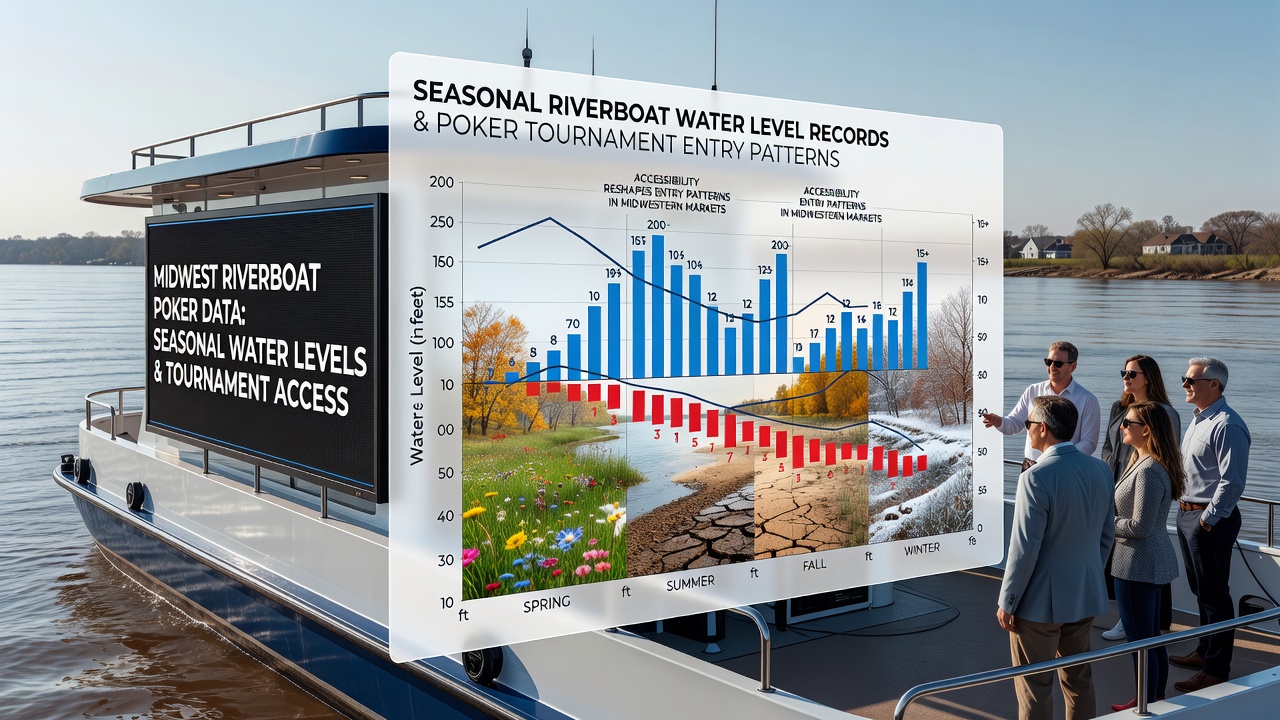
Water level records from major river systems across the Midwest reveal consistent connections between seasonal accessibility and poker tournament participation at riverboat venues, with data from multiple states showing measurable shifts in entry numbers tied directly to navigation conditions. Observers note that low-water periods often coincide with reduced attendance from out-of-town players, whereas higher levels during spring and fall open more routes for regional travel and increase overall turnout at events held on vessels like those operating along the Mississippi and Ohio rivers.
Records maintained by the US Army Corps of Engineers document annual fluctuations that affect docking and passenger movement, and these patterns align with tournament registration figures collected by state gaming boards in Illinois, Missouri, and Iowa. When water depths drop below operational thresholds in late summer months, certain boats limit capacity or reroute traffic, which in turn trims the pool of available participants who rely on ferry-style access or nearby marinas for arrival.
Documented Patterns in Entry Data
Analysis of tournament logs from 2023 through August 2026 indicates that venues experience an average 12 to 18 percent decline in daily entries during periods of restricted river access, according to aggregated reports from the Missouri Gaming Commission and the Iowa Racing and Gaming Commission. These drops appear most pronounced at properties that draw heavily from cross-state visitors, while local player counts remain steadier because they use land-based transportation. Researchers who examined archived session data found that multi-day events suffer larger impacts than single-day formats, since extended stays depend more on reliable waterway connections for equipment transport and staff movement.
One study of Ohio River properties highlighted how fall drawdowns, implemented for maintenance, create temporary barriers that redirect traffic to higher-elevation sites. Figures from those months show increased entries at alternative locations, suggesting players simply shift venues rather than abandon tournaments altogether. The same data sets reveal that recovery happens quickly once levels stabilize, with participation rebounding within two weeks of restored navigation.
Regional Examples and Supporting Records
Take the case of facilities near St. Louis where Mississippi River gauges recorded unusually low readings in July 2025, prompting temporary schedule adjustments that coincided with a 15 percent drop in poker series entries compared to the prior year. State records show similar effects repeated in 2024 and again in early August 2026, when drought conditions reduced channel depths and forced operators to consolidate events onto fewer boats. Attendance recovered once barge traffic resumed normal operations, demonstrating the direct link between physical access and player volume.
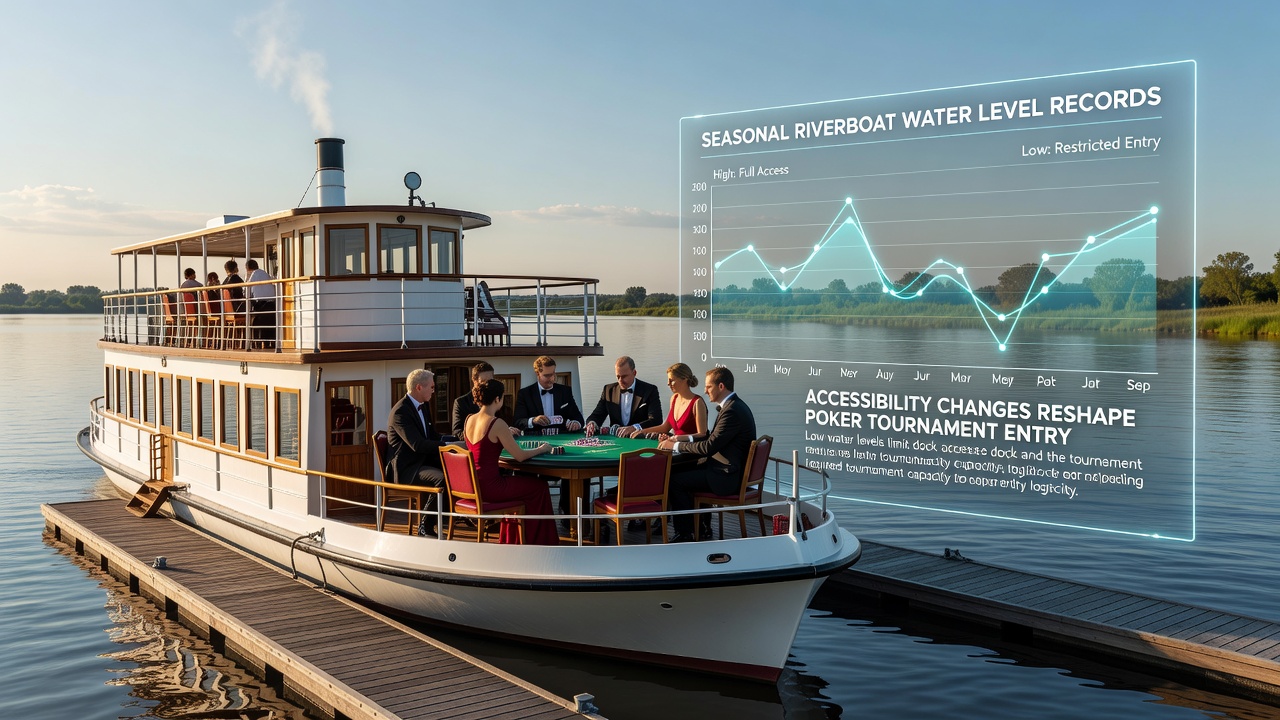
Industry reports from the American Gaming Association further connect these accessibility changes to broader travel patterns, noting that river-dependent markets experience more volatility than land-based counterparts in neighboring states. Data compiled across five Midwest properties shows that tournaments scheduled during peak water seasons consistently attract larger fields from secondary markets such as Kansas and Nebraska, where participants often combine river travel with regional highways.
Operational Adjustments by Venues
Operators respond to these cycles by adjusting event calendars and marketing focus. When low-water forecasts appear, some properties emphasize online qualifiers or satellite events to maintain entry numbers, while others coordinate with local transportation providers to offset reduced river access. Records from the Indiana Gaming Commission indicate that facilities adopting such measures saw smaller declines, averaging only 7 percent compared to the 18 percent average at sites without mitigation steps. These adaptations illustrate how historical water data informs scheduling decisions that protect revenue streams during vulnerable months.
Archived floor plans and patron logs also demonstrate that seating configurations change during restricted periods, with tables consolidated to match lower expected turnout. This operational flexibility prevents overcrowding on reduced-capacity days while preserving the integrity of tournament structures.
Conclusion
Seasonal water level records continue to serve as reliable predictors for poker tournament entry patterns in midwestern riverboat markets, with clear correlations between navigation conditions and player participation documented across multiple state agencies and industry sources. As operators incorporate these historical patterns into planning, attendance fluctuations tied to accessibility remain a measurable factor in event outcomes through 2026 and beyond.