Tracing Venue Acoustics Influence on Electronic Table Game Preferences in Border Region Facilities
Written by Harper Friedrich · Jun 27, 2026
Tracing Venue Acoustics Influence on Electronic Table Game Preferences in Border Region Facilities
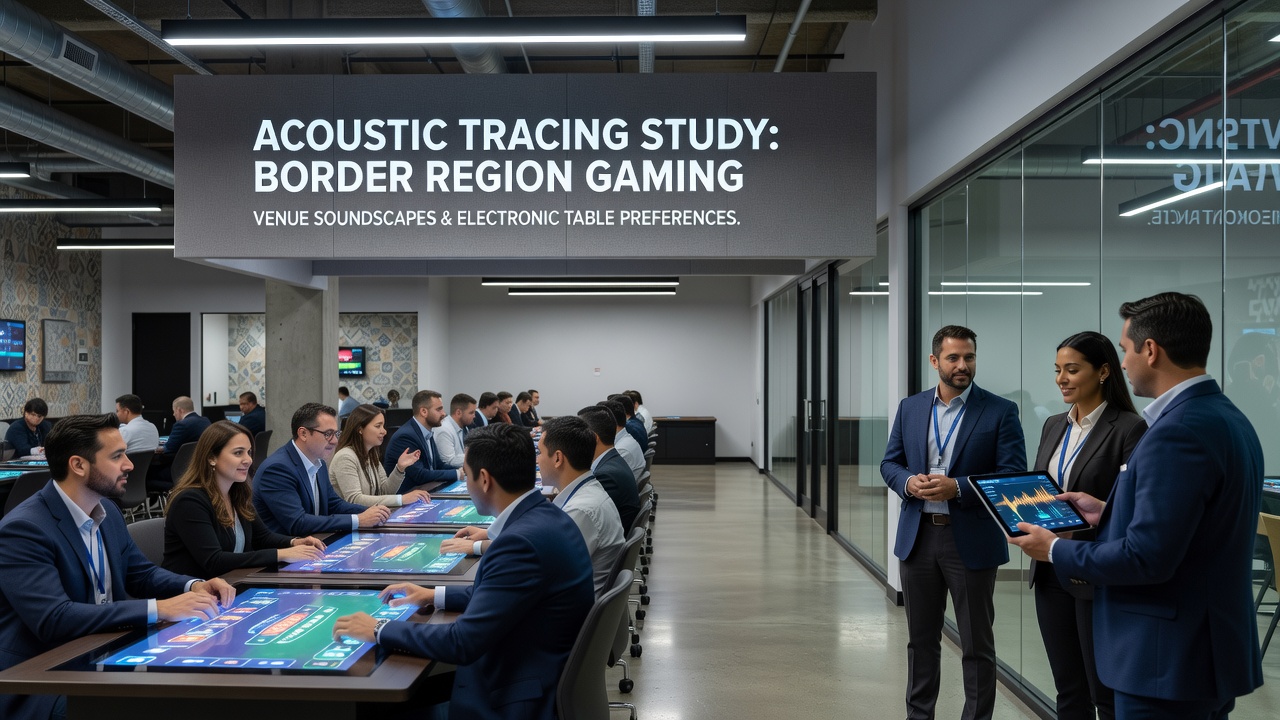
Border region casino facilities often operate under unique acoustic conditions shaped by cross-border traffic patterns, local entertainment districts, and regulatory frameworks that differ from inland venues, and researchers have tracked how these sound environments shape player selections among electronic table games such as video blackjack, electronic roulette, and multi-terminal poker variants. Data collected through 2025 and into June 2026 shows measurable shifts in game occupancy rates when ambient sound profiles change due to renovations, speaker upgrades, or seasonal crowd fluctuations at facilities near the US-Canada and US-Mexico lines.
Acoustic Variables in Gaming Environments
Sound pressure levels, frequency distributions, and reverberation times interact with player decision-making processes, and facilities that install zoned audio systems report distinct clustering around certain electronic terminals when background music drops below 65 decibels during daytime hours. Studies conducted by university engineering departments have documented that high-frequency electronic game alerts blend differently with live dealer announcements, creating pockets where patrons linger longer at machines that emit softer confirmation tones. Those who've analyzed archived floor plans note that border facilities frequently contend with external noise from truck traffic and rail lines, which forces management teams to recalibrate interior acoustics more often than operators in quieter markets.
Electronic Table Game Characteristics and Sound Interaction
Electronic table games generate layered audio outputs that include spinning wheel simulations, card shuffle effects, and progressive jackpot chimes, while players seated at these terminals respond to the balance between these programmed sounds and the surrounding venue noise floor. Facilities along the northern border have recorded higher engagement with electronic roulette when low-frequency bass from adjacent sportsbooks is attenuated through acoustic panels, according to session logs shared at industry conferences. In contrast, southern border locations show steady traffic at video blackjack stations even during peak ambient periods, suggesting that game interface volume settings compensate for louder external conditions. Observers note that manufacturers have begun embedding adjustable audio profiles in newer cabinet designs to help operators match terminal output to specific room acoustics without manual recalibration each shift.
Regional Data Patterns Emerging in 2026
June 2026 occupancy reports from multiple border properties indicate that electronic table game banks positioned farther from entrance zones maintain steadier play rates when overall venue reverberation is controlled through ceiling treatments and directional speakers. Canadian regulatory filings reveal that facilities within 50 kilometers of the US line have invested in real-time sound monitoring systems that correlate decibel spikes with game-type switches, and similar equipment appears in Arizona and Texas properties tracking patron movement during summer tourism surges. The patterns differ by jurisdiction because local noise ordinances and cross-border entertainment competition create distinct baseline soundscapes that influence how electronic interfaces perform relative to traditional felt tables.
Comparative Facility Approaches
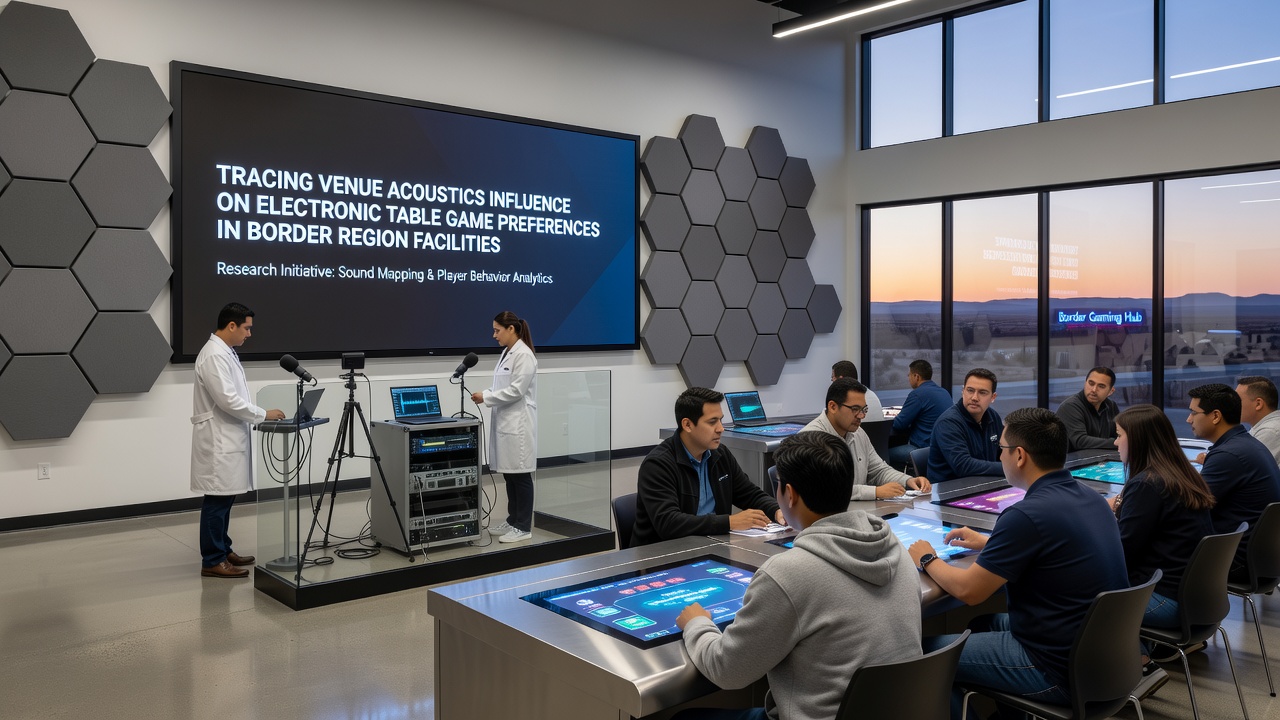
Operators in the Pacific Northwest border corridor have tested modular acoustic baffles that can be repositioned between electronic game banks, and early results show redistribution of play toward terminals featuring clearer audio separation from neighboring machines. Meanwhile facilities near the southern border have adopted directional sound domes over specific game clusters, which data from property management systems links to longer average session durations on electronic variants during evening hours when external traffic noise increases. These adaptations reflect responses to documented differences in how sound travels through the architectural layouts common to border properties, many of which were expanded incrementally rather than designed as single-phase builds.
Measurement Methods and Industry Standards
Acoustic consultants working with gaming operators deploy calibrated meters at seated player height rather than ceiling level to capture the actual auditory experience, and this methodology has become standard in recent border facility audits. Reports from the Nevada Gaming Control Board reference similar measurement protocols when reviewing renovation applications, while Australian state gaming authorities have published guidelines that tie permitted sound levels to game density per square meter. Research teams at technical institutes have cross-referenced these acoustic readings with transaction timestamps from electronic table game networks, producing datasets that map preference shifts to specific frequency bands rather than overall volume alone. The resulting correlations help operators predict which game types will see increased play after planned audio system upgrades.
Conclusion
Border region facilities continue to refine acoustic strategies as electronic table game libraries expand and player data becomes more granular, and the documented links between sound environment and terminal selection provide operators with measurable levers for optimizing floor performance. Ongoing collection of session and acoustic data through 2026 will likely refine these models further, particularly as new cabinet designs incorporate adaptive audio features tailored to variable venue conditions.